
Key Takeaways
- Fall planting in West Texas should begin as early as late July to early August, especially if starting seeds indoors for brassicas like broccoli and cabbage.
- The average first freeze in West Texas lands around November 1st – count backward from that date to build your planting schedule.
- Cool-season crops like spinach, kale, carrots, and cilantro are well-suited for West Texas fall gardens and can produce harvests well into Thanksgiving.
- Soil prep – especially dealing with caliche and compaction – is just as important as timing, and skipping it is one of the most common reasons fall gardens underperform.
- Row covers and frost cloth can extend your harvest window significantly, but the type of cover and how you use it matters.
If summer has you thinking the garden is done until spring, West Texas actually has a solid second act. Fall growing here is often more forgiving than summer – cooler temps mean less water, fewer pest pressures, and better flavor in leafy greens. The catch? The window is tight, and timing is everything, the local experts at Johansen Landscape & Nursery advise.
West Texas First Freeze Averages Around November 1st – But It Varies
The average first freeze across much of West Texas falls around November 1st. Cities like Lubbock tend to see it right around October 30th to 31st, though that date shifts year to year. Don’t treat any single date as a guarantee. In West Texas, cold snaps can arrive a week early or linger a week late – sometimes both in the same season.
This date is your anchor. Every planting decision in a fall garden is built by counting backward from that first expected freeze. A crop that needs 60 days to harvest needs to go in the ground by early September. A crop that needs 30 days can wait until mid-October. Getting this math right is what separates a Thanksgiving salad from a frozen disappointment.
Your Month-by-Month Planting Calendar
Late July to Early August: Start Seeds Indoors
Brassicas like broccoli, cabbage, cauliflower, and kale generally need 10 to 12 weeks before frost, though faster-maturing varieties can be ready in as little as 8 to 9 weeks. Starting seeds indoors in late July or early August gives transplants the best shot. West Texas summers are still brutal at this point, so indoor starts protect young seedlings from heat stress. By late August, those transplants are ready to go in the ground as temperatures begin to ease.
Early September: Direct Sow Fast Growers
Around eight weeks before the first frost, it is time to direct sow fast-growing greens into garden beds. Good candidates include arugula, turnips, spinach, bok choy, radishes, and Swiss chard. Carrots also go in now – they are slow to germinate, sometimes taking up to three weeks, and need consistent moisture during that phase, so don’t let the soil dry out.
Beets and turnips can be sown through September, and successive plantings spaced two weeks apart tend to give a steadier harvest rather than one big flush.
Late September: Last Call for Lettuce and Spinach
Loose-leaf lettuce and spinach germinate best once soil temperatures cool to around 70 degrees F – which in West Texas typically happens by late September. Cilantro follows the same pattern. Plant these now and, with frost protection in place, they can stay productive through Thanksgiving and potentially into December. This is arguably the highest-reward planting window of the fall season.
Best Cool-Season Crops for West Texas
Leafy Greens and Brassicas
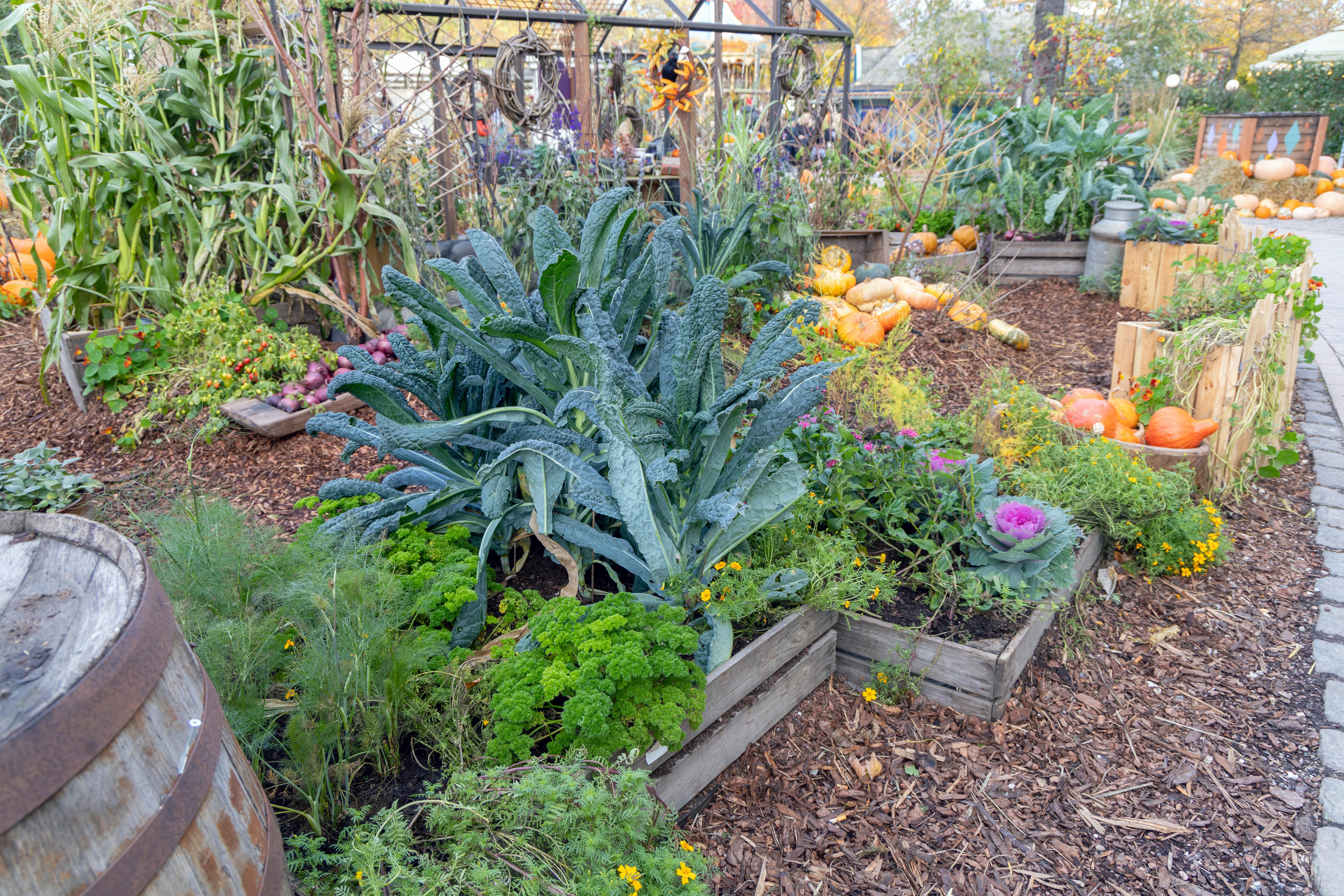
Leafy greens are the workhorses of the West Texas fall garden. Spinach, kale, collards, Swiss chard, lettuce, and bok choy all thrive as temperatures drop and are generally easy to grow from seed. Among brassicas, broccoli, cabbage, Brussels sprouts, and cauliflower perform well when transplanted from indoor starts in late August through early September. Recommended varieties include Winterbor and Mamba kale, Giant of Viroflay spinach, and Fordhook Giant Swiss chard – all well-proven performers in this region.
Root Vegetables
Root crops – carrots, beets, and turnips – should be direct-seeded rather than transplanted, as they do not move well once rooted. Bolero carrots are a consistently reliable variety here. Keep the soil evenly moist during germination, and consider laying wet newspaper mulch over the seed bed to lock in moisture between waterings. Garlic and onions can also go in during fall for a harvest the following summer.
Herbs That Thrive in Fall
Most herbs actually prefer fall over summer in West Texas. Cilantro, rosemary, parsley, and sage all establish strong root systems when planted in early fall and continue producing through winter. Basil is the notable exception – it is a warm-season herb and will not survive frost.
Know Your USDA Zone Before You Plant
West Texas covers a wide range of USDA Hardiness Zones, generally running from Zone 6b in the northern Panhandle areas around Amarillo to Zone 8a in more southern parts of the region. Zone 6b sees minimum winter lows between -5 and 0 degrees F. Lubbock typically falls into Zone 7a or 7b, with somewhat milder winter minimums. Zone 8a areas experience minimums around 10 to 15 degrees F. This matters because it affects which crops survive an early freeze without cover and which ones will need protection the moment temperatures dip.
Most seed packets and plant tags include USDA zone information – check it before buying. Gardeners on the colder end of the zone map should be more aggressive with frost protection and earlier planting timelines.
Prep Your Soil Before the First Seed Goes In
Compost and Organic Matter
After a hot West Texas summer, garden soil is often depleted. Before any fall seed goes in the ground, apply 2 to 3 inches of compost, earthworm castings, or composted organic manure over existing beds. This improves both structure and moisture retention – two things fall crops depend on, especially during germination. Composted cattle manure and composted cotton burrs are widely available at regional nurseries and work well together.
One important note from general gardening best practices: avoid fertilizing with nitrogen or doing heavy pruning in late summer. It stimulates soft new growth that is especially vulnerable to frost damage – exactly the opposite of what you want heading into November.
Improving Caliche and Compacted Soils
West Texas soils are notorious. Caliche – the hard, calcium-carbonate layer common across the region – blocks drainage and restricts root depth. Loosening native soil to a depth of 8 to 12 inches before planting makes a real difference. For heavy or compacted soils, adding gypsum can help break up structure and improve workability – check product label rates for your specific soil volume. Raised beds with a custom soil mix are also an effective workaround for especially difficult native ground.
Shield Seedlings from Heat and Frost
Early Fall: Shade Covers for Young Plants
September in West Texas is still hot. Young transplants and fresh seedlings going in during the first two weeks of the month can struggle with heat stress before nighttime temperatures cool down. A simple fix is a temporary shade cover – old sheets or shade cloth held up by hoops over the bed – during the hottest part of the afternoon. Remove it once daytime temperatures have consistently moderated and plants show steady growth.
Late Fall: Row Covers and Frost Cloth
As November approaches, the protection challenge shifts from heat to cold. Lightweight frost cloth or row covers can provide several degrees of temperature buffer – enough to protect most cool-season crops through light freezes. Avoid plastic film that directly contacts plant leaves, as it can damage foliage when temperatures drop quickly.
For extra protection before an expected frost, water the soil thoroughly the day before. As water freezes, it releases stored heat – giving plants a few extra degrees of warmth right at the root zone. Most cool-season crops listed here tolerate light freezes well; it is generally when temperatures consistently drop below 20 degrees F that covering becomes truly necessary, though cold-hardy varieties like Winterbor kale can handle even lower temperatures with proper protection.
Start Now and Harvest Through Thanksgiving
The West Texas fall gardening window is shorter than it looks on the calendar, but it is absolutely workable. Start brassica seeds indoors in late July. Direct-sow greens and root vegetables through September. Protect young plants from late summer heat, and be ready with frost cloth as November closes in. The payoff is a garden actively producing when most people have already put theirs to bed – fresh salads, roasted roots, and herbs on the table all the way through the holidays.
Stop by a local nursery for seeds, transplants, soil amendments, and hands-on guidance tailored to West Texas gardens.
Johansen Landscape & Nursery
700 Johansen Road
Big Spring
TX
79720
United States


