
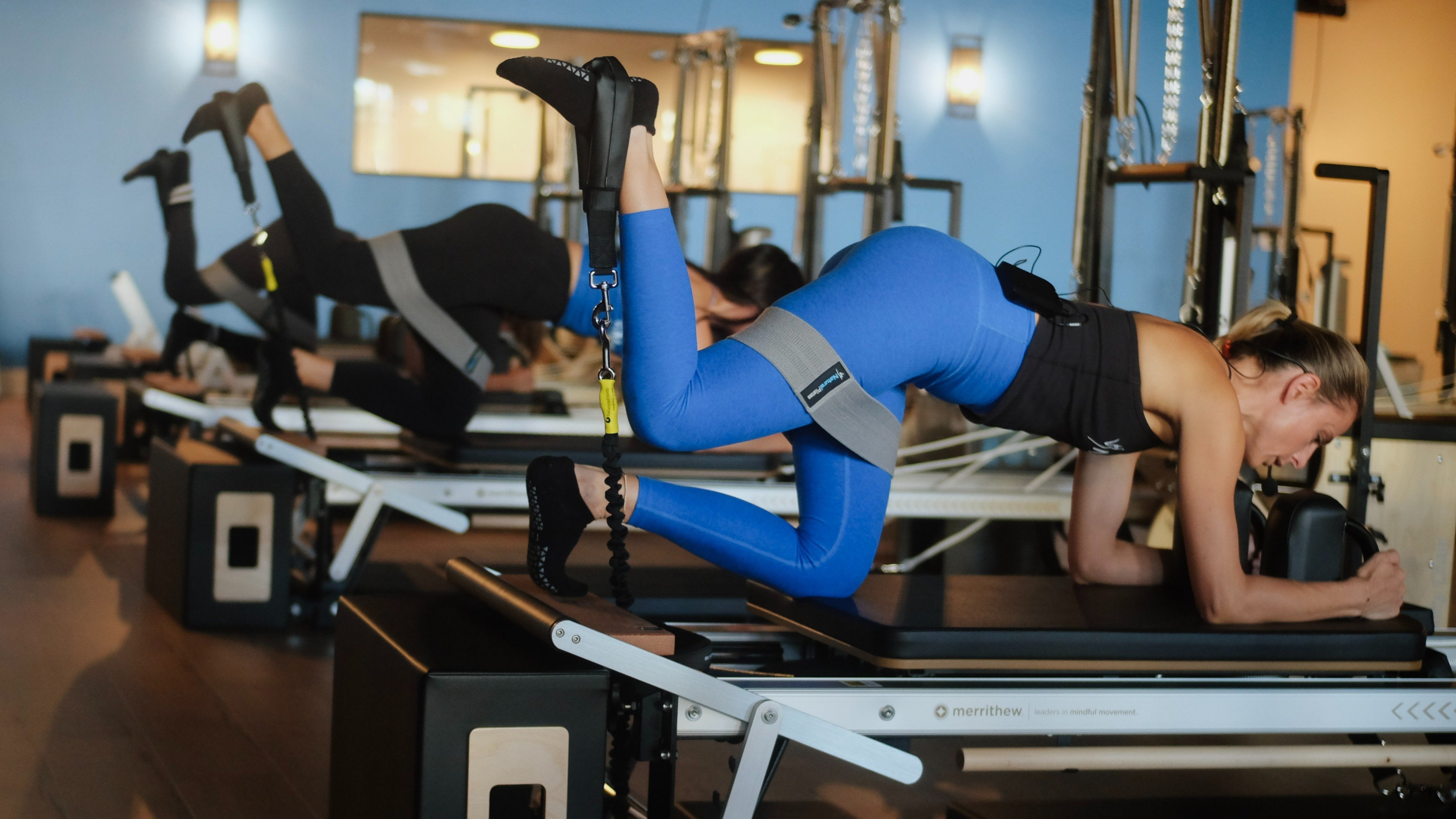
Key Takeaways
- Private Pilates sessions pair physical strengthening with mental clarity by combining controlled breathing, focused movement, and personalized instruction
- Pilates may help lower cortisol, reduce anxiety and depressive symptoms, and support mood through endorphin and serotonin activity
- A one-on-one format speeds progress through personalized attention while deepening focus and relaxation compared with group classes
- Pilates may also help improve memory, learning, and executive thinking, and research suggests it can lead to better sleep, especially in people under 40
- Natural Pilates approaches private sessions with a mind-body philosophy that blends physical training with stress reduction and mental well-being, sharing insights below
Murray Hill residents juggling demanding careers, packed schedules, and the general noise of city life often look for one workout that can calm the mind while also building a stronger body. Private Pilates sessions, especially those built around a mind-body philosophy, offer exactly that kind of dual benefit. A well-designed private session treats fitness and mental clarity as two sides of the same coin rather than separate goals.
Why Private Pilates Boosts Mind and Body
Pilates has always been more than a core workout. Joseph Pilates designed the method in the early 20th century as a whole-body practice that combines intentional movement, concentrated breathing, and balance, and that original blueprint is why the method still works so well for modern stress and physical tension alike. When a session is private rather than part of a group class, that whole-body, whole-mind intention gets even more room to work, since the pacing, cueing, and exercise selection can bend entirely around one person’s body and one person’s state of mind that day.
Natural Pilates, a boutique studio group with locations across New York, approaches private sessions with this mind-body philosophy at the center rather than as an add-on, noting that an on-demand practice helps people learn what a personalized, mindful Pilates routine can look like.
Physically, Pilates builds core strength, improves posture, and helps prevent injury by balancing muscles that are otherwise too tight or too weak to support the joints properly. Mentally, the same slow, controlled movements demand a level of concentration that pulls attention away from racing thoughts and into the present moment. That combination of strength paired with focus sets Pilates apart from workouts that train the body while leaving the mind to wander.
The Science of the Mind-Body Connection
Pilates earns its reputation as a mind-body practice because of how deliberately it links breath, attention, and movement. Every exercise asks the practitioner to notice how a movement starts, which muscles are doing the work, and whether alignment stays steady throughout, and that kind of structured attention is rarely required by cardio machines or free weights.
Breath, Focus, and the Nervous System
Controlled breathing is one of Pilates’ six core principles, alongside flow, precision, control, centering, and concentration, and it plays an outsized role in why the practice feels calming yet challenging. Deliberate, patterned breathing activates the parasympathetic nervous system, the body’s built-in calming mechanism, which helps down-regulate the fight-or-flight response that chronic stress tends to keep switched on. Over time, that nervous-system shift is part of why regular practitioners describe Pilates as something that leaves them both worked out and unwound.
Body Awareness and Present-Moment Focus
Pilates sharpens proprioception, the technical term for body awareness, by training practitioners to notice sensation, alignment, and effort in real time. That heightened awareness helps prevent injuries and falls, and it also cultivates a felt sense of being present in the body, sometimes called embodiment, which research connects to improved self-esteem and reduced body image concerns. For anyone whose days are dominated by screens and deadlines, that kind of grounded, present-moment focus can feel like a rare reset.
Stress Relief and Mood Benefits
Beyond the physical payoff, Pilates carries a well-documented reputation for easing stress and steadying mood, and private sessions tend to amplify those effects because the environment allows for deeper, less distracted practice.
Lowering Cortisol and Calming the Body
The inward focus and rhythmic breathing built into Pilates can help down-regulate the nervous system, which in turn may help regulate cortisol, the body’s primary stress hormone. Chronic high cortisol is linked to a long list of unwanted effects, from disrupted sleep to a weakened immune response, so a practice that helps keep it in check offers benefits that ripple well past the one-hour session.
Endorphins, Serotonin, and Mood Stability
Pilates also stimulates the release of endorphins, the body’s natural mood elevators, which can lift mood and provide a natural form of pain relief. The practice is similarly associated with supporting healthy levels of serotonin and dopamine, two neurotransmitters central to motivation and emotional stability. Together, these effects may help explain why many people feel lighter after a session than they did walking in.
Easing Anxiety and Depressive Symptoms
Some research points to Pilates reducing anxiety and depressive symptoms while improving overall quality of life, and one study describes measurable decreases in depression and anxiety scores among regular practitioners. A review of mood changes following Pilates sessions found reductions in anxiety, fatigue, and depressive symptoms, along with a release of negative thought patterns, among young adult participants. Separate findings note lower depression and improved anxiety and sleep across varied populations, including women over 60 and people managing multiple sclerosis or addiction recovery. For someone newer to mindful movement, Pilates can feel like an active form of meditation, blending strengthening and stretching in a way that eases muscular tension while quieting the mind, which makes it an appealing entry point for people who find sitting still and breathing alone difficult.
Sharper Thinking and Better Sleep
The benefits of a mindful Pilates practice extend beyond mood regulation into cognitive performance and the quality of a night’s rest, two areas that matter enormously for anyone managing a demanding schedule.
Memory, Focus, and Executive Function
Pilates may help improve memory, learning, and executive thinking, the mental skills involved in planning, focus, and decision-making. The mindful attention the practice demands is thought to engage the prefrontal cortex, the brain region tied to focus and recall, and some studies have shown that people who exercise regularly and are physically fit have a much bigger hippocampus, a structure central to memory. A 2015 study found pilates was effective for improving motivation in a student population, suggesting the practice’s cognitive benefits extend into everyday follow-through, beyond performance during the session itself.
Restful Sleep Through Mindful Movement
Research suggests that Pilates can lead to better sleep, especially in people under the age of 40. That connection makes sense given everything else the practice does: lower stress hormones, a calmer nervous system, and reduced anxiety all tend to make it easier to fall asleep and stay asleep. For busy NYC professionals whose evenings often run late, a mindful movement practice that supports better rest provides a benefit that compounds night after night.
Why Go One-on-One
Group classes have their place, but a private setting changes the depth of what a Pilates session can deliver, both physically and mentally.
Personalized Attention and Faster Progress
A private instructor can assess individual strengths, weaknesses, and fitness level, then continuously adapt the workout as progress unfolds, something a group format simply cannot replicate exercise by exercise. That personalized attention tends to speed up how quickly someone learns proper form and technique, since cues can be adjusted in real time rather than delivered to a room. Private sessions also suit a wide range of needs well:
- Beginners who want a solid foundation before joining group classes
- Clients recovering from injury who need careful modifications
- Seasoned practitioners refining technique at an advanced level
- Individuals with unique conditions requiring extra attention
Deeper Focus, Deeper Relaxation
The one-on-one format also encourages a level of focus and concentration that is harder to reach in a room full of other people. Without the distraction of keeping pace with a group, attention can settle more fully into breath and movement, which strengthens the mind-body connection the entire practice is built on. That deeper focus tends to translate into deeper relaxation by the end of a session, along with a stronger sense of mastery and self-efficacy that often carries into the rest of the day.
Lasting Wellness Through Pilates Practice
Pilates builds core strength, improves posture and flexibility, and helps prevent injury, while also lowering stress hormones, lifting mood, sharpening focus, and supporting better sleep, bringing physical results and mental calm together rather than asking anyone to choose between them. That full-spectrum approach is why it has held up as a wellness practice for more than a century, and why private, mind-body-focused sessions continue to appeal to people looking for sustainable results rather than quick fixes.
For NYC residents ready to put that connection to work, starting with a private Pilates session built around personalized attention and mindful breathing is a practical first step toward steadier stress levels, clearer thinking, and a stronger body.
Natural Pilates
info@naturalpilates.com
28 West 22nd Street
New York
New York
10010
United States


